EU agrees to end imports of Russian gas by November 2027 at latest
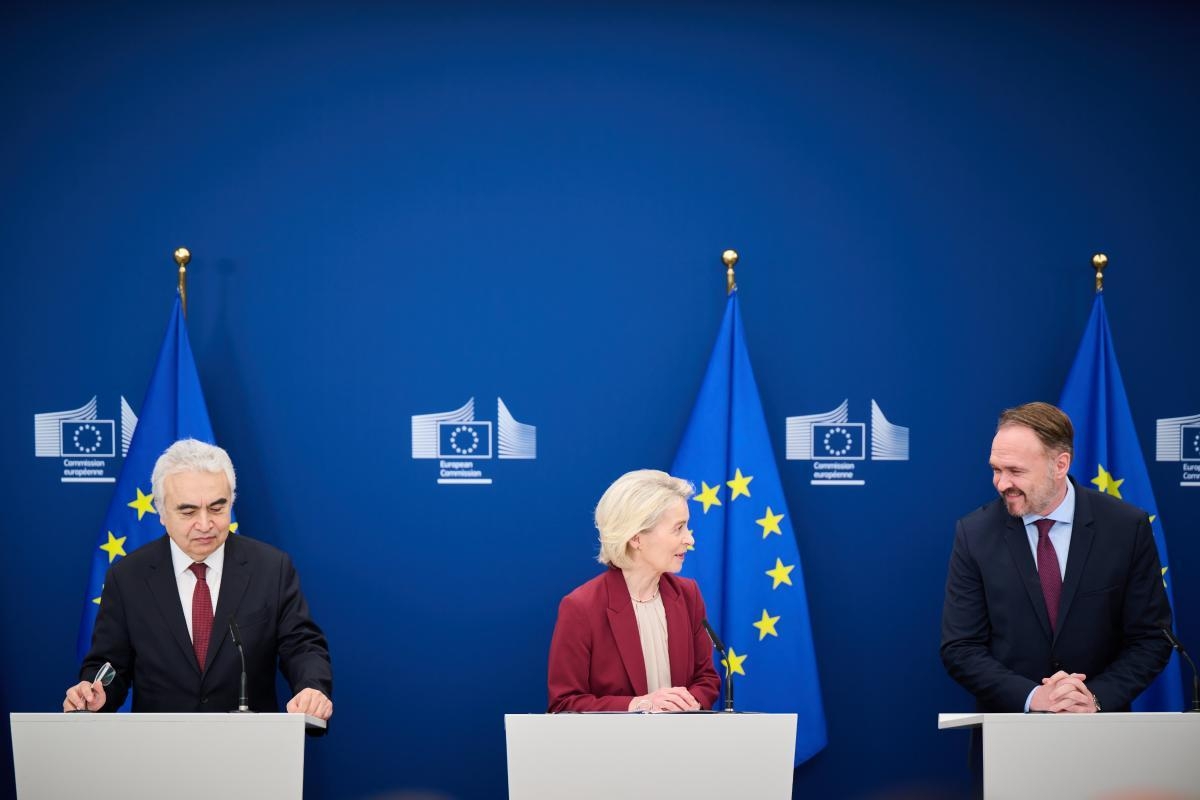
The European Union reached a provisional agreement on Wednesday to phase out all remaining imports of Russian pipeline gas by 1 November 2027 at the latest and liquified natural gas (LNG) by 1 January 2027.
All members of the bloc must submit plans to end remaining reliance on Russian oil and gas by the deadlines, according to a 3 December press release.
The draft legislation was informally agreed by two committees and the Danish presidency of the Council, according to a separate same-day European Parliament press release. A final vote by the parliament formalising the legislation is to be held during a plenary on 15-18 December.
Hungarian foreign minister Peter Szijjarto said in a post on X that Budapest would immediately challenge the plan in the Court of Justice of the European Union.
“Legal proceedings will start without delay”, Szijjarto said. “Preparatory work is already under way. We will do everything necessary to defend Hungary’s energy security.”
In October, the EU spent 1.1 billion euros on imports of Russian fossil fuels — accounting for 9% of Russian export revenues — making it the fourth largest buyer after China, India, and Turkey, according to an October report by the Centre for Research on Energy and Clean Air.
Hungary was the largest EU importer of Russian hydrocarbons in October, spending 258m euros, followed by Slovakia, which spent 210m euros. Russian oil continues to flow to Hungary and Slovakia via the Druzhba pipeline under an exemption from the EU’s ban on Russian crude oil, as part of its sixth package of sanctions.